


Retailers bet on second-half rebound as brand exits reshape Philippine market
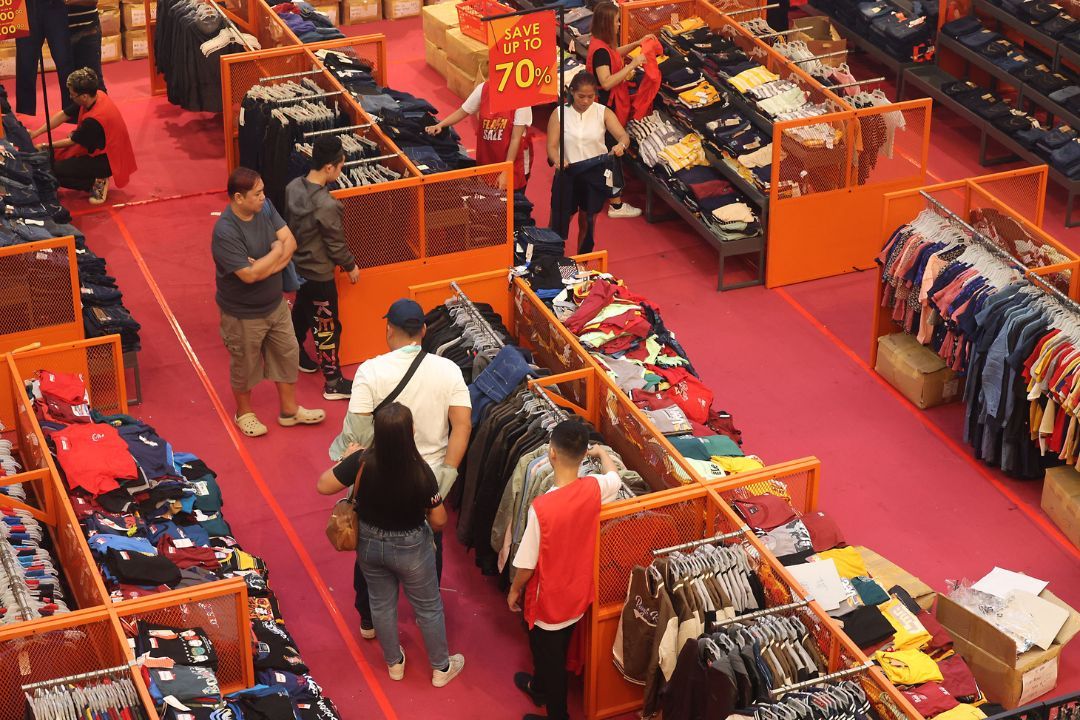
Retailers are betting on a stronger second half of the year as the Philippine market absorbs the exit and closure of some brands, with the Christmas season expected to test whether consumer spending can recover after a difficult first half.
The retail environment has been marked by weaker foot traffic, higher operating costs and more cautious consumers, prompting companies to tighten inventory management, adjust their product offerings and seek growth in fresh brands, categories and locations.
Golden ABC Vice-President for Strategy and Operations Bryan Liu said brand entries and exits are a normal part of retail, but the pace of change underscores the need for retailers to remain flexible.
“Brands entering, brands leaving, stores opening and stores closing will always be a part of retail,” he told BusinessWorld on the sidelines of a national retail expo in Pasay City near the Philippine capital last week.
No Brand, the South Korean discount concept operated by Robinsons Retail Holdings, Inc., has left the Philippines, with all 11 standalone stores wound down by the end of June.
Mr. Liu said Golden ABC, which owns and operates the brands Penshoppe, OXGN, Forme, MEMO, Regatta and BOCU, had weaker conditions early in the second quarter as higher fuel prices weighed on consumers and spending became more concentrated. The company, however, began seeing more encouraging growth toward the end of the quarter.
The retailer remains optimistic about the third quarter and is preparing for the fourth quarter, traditionally a critical period for Philippine retailers because of Christmas spending.
“We have a saying every year in the company that Filipinos will never cancel Christmas,” Mr. Liu said.
Golden ABC plans collaborations across some of its brands in the third and fourth quarters, as well as holiday collections tailored to the local market.
PUMA Sports Philippines Country Manager Paolo Misa also expects a better second half despite a difficult first six months. He said foot traffic declined by double digits, although this has not translated into a similar decline in the company’s business.
‘Tight ship’
“I’m a bit more optimistic about the second half,” he told BusinessWorld at the same event, citing the company’s stronger merchandise and product offering.
PUMA plans to place greater emphasis on the fourth quarter, while keeping tighter control over inventory as consumer demand becomes harder to predict.
“You really have to run a tight ship,” Mr. Misa told BusinessWorld, adding that retailers with sufficient capacity and discipline could emerge stronger when market conditions improve.
At Primer Group of Companies, the outlook remains cautious but growth-oriented amid the war in Iraq and higher costs of necessities.
Regional Brand Manager Justine Thai said the company needs to remain agile and manage risks while pursuing expansion, including outside Metro Manila.
The group recently added Owala, a US reusable drinkware brand best known for insulated water bottles and tumblers, to its portfolio and continues to explore brands from international and regional markets.
It also sees potential in wellness as consumers spend more on sports, hobbies, and lifestyle activities.
RAFFCO International Trading Corp., which operates Plains & Prints, R.A.F., and Piccola by Plains and Prints, meanwhile, expects consumer spending to improve alongside greater political stability.
Co-founder and Vice-President Roxanne Farillas said she was concerned about the recent exits of brands from the Philippine market, saying a broader retail ecosystem could help boost the sector as local retailers compete with online marketplaces and other channels.
“It would be nice if we would be more in that particular field,” she said on the sidelines of the retail event. “It would be an opportunity for us to show that the retail scene in the Philippines is stronger.”
Virendra Prakash Sharma, founder and chief executive officer at PT Mitra Adiperkasa Tbk (MAP), likewise expects a stronger second half, pointing to the importance of the Christmas season.
“We believe the war should be over,” he told BusinessWorld. “And the second half is always more important for the Philippine market because of the Christmas season.”
Marks & Spencer (M&S) will resume operations in the Philippines under a franchise agreement with the Indonesian retail group, marking a return to the market after its earlier exit under a previous operator.
“We are optimistic about the Philippines,” Mr. Sharma said.
For retailers, the second half will therefore be less about whether the market can grow, and more about which companies can adapt quickly enough to capture a recovery in consumer spending while managing costs, inventory and changing consumer preferences. — Alexandria Grace C. Magno, Reporter
This article originally appeared on bworldonline.com